BatteriesLiFePO4Lead-AcidStorageTechnical
LiFePO4 vs. Lead-Acid for Solar Storage: Complete Technical Comparison
SolarDirect Technical Team·
Chemistry Overview
Lead-Acid (AGM/Gel): Lead dioxide positive plate, pure lead negative plate, sulfuric acid electrolyte. AGM immobilizes electrolyte in fiberglass mat. Fundamental weakness: sulfation — lead sulfate crystals accumulate on plates during discharge and incomplete recharge, progressively reducing capacity and cycle life.
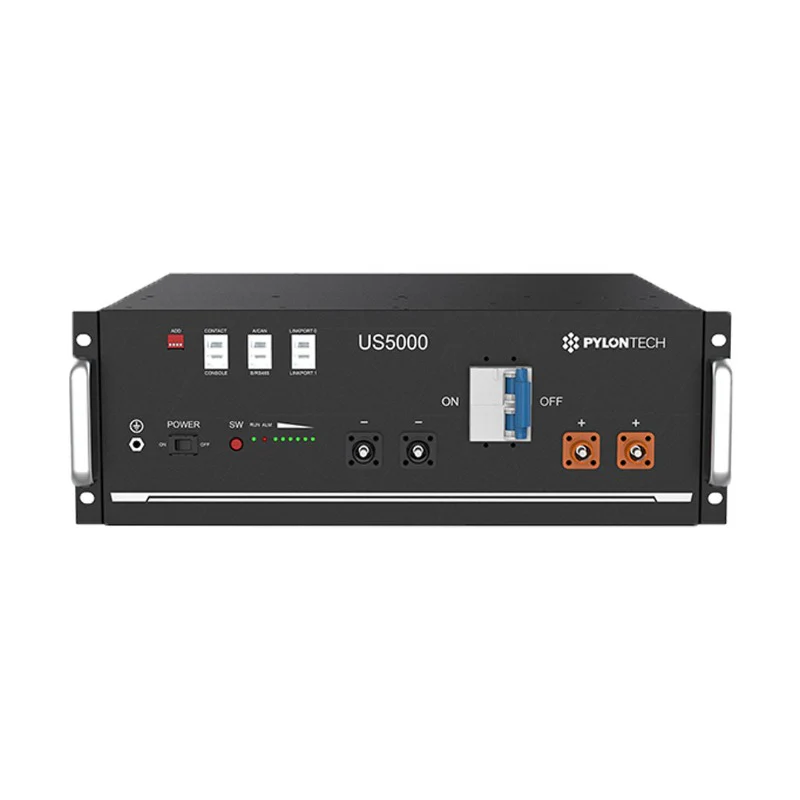
LiFePO4 (Lithium Iron Phosphate): Iron phosphate positive electrode, graphite negative, lithium salt electrolyte. Among all lithium-ion chemistries, LiFePO4 is the most thermally stable — it does not produce oxygen when overheated (unlike NMC or LCO), making thermal runaway essentially impossible under normal conditions.
Key Metrics Compared
Cycle Life
- LiFePO4: 3,000–6,000 cycles at 80% DoD → 8–16 years at 1 cycle/day
- AGM Lead-Acid: 300–500 cycles at 50% DoD → under 2 years at 1 cycle/day
Depth of Discharge (DoD)
- LiFePO4: 90–100% DoD safely
- AGM: 50% DoD max to avoid accelerating sulfation
Round-Trip Efficiency
- LiFePO4: 95–98%
- AGM: 80–85%
Temperature Performance
- LiFePO4: Full performance from -4°F to 140°F for discharge. Cannot charge below 32°F without self-heating — cells with self-heating (Renogy Pro series) warm automatically before charging begins
- AGM: Capacity at 0°F is ~50% of rated capacity; can charge below freezing at reduced current
Weight and Energy Density
- LiFePO4: 100–140 Wh/kg
- AGM: 30–50 Wh/kg
Lifetime Cost Analysis
5kWh usable storage, 1 cycle/day, 10-year horizon:
LiFePO4 (Renogy 12V 300Ah × 2 = 6.9kWh usable):
- Hardware: 2 × $879.99 = $1,760
- Cycles at 80% DoD: 4,000+ (10+ years)
- 10-year cost: $1,760
- Hardware per replacement: ~$800
- Replacements needed over 10 years: 7–8
- 10-year cost: $5,600
UL Safety Certifications for Batteries
- UL 1973: Standard for stationary lithium batteries in solar applications — required by most local fire departments for battery installations
- UL 9540A: Thermal runaway propagation test — required for larger systems
- UN38.3: Transportation test for lithium batteries shipped by air or sea